
How Annatto Color Is Used in Modern Food Formulations
Food color may be a significant part of a product line in order to produce a familiar look in various product classes. One natural alternative for manufacturers to consider when creating these colors is warm shades of yellow and orange, which are obtained from annatto color. Knowledge of its incorporation into various formulations can assist formulation scientists in deciding the best way to apply it and can be used to develop a uniform appearance in the finished product.
Understanding Annatto-Based Color
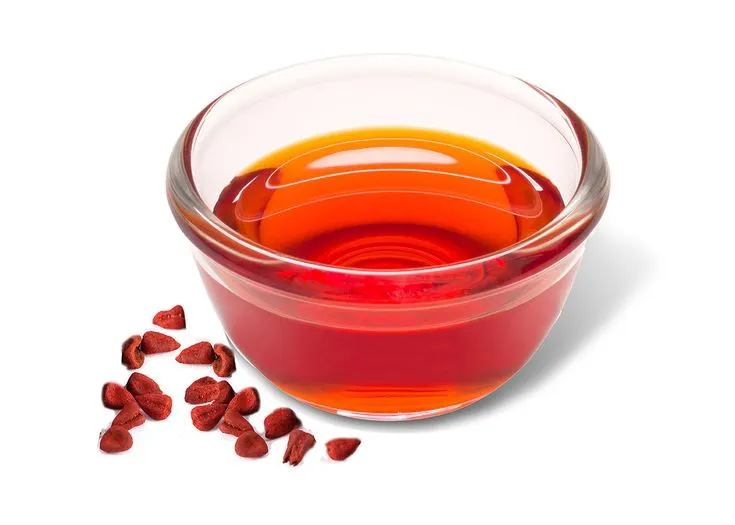
Annatto is from the seeds of the achiote plant that contain pigments that can give yellow, golden and orange color. The above properties make annatto a desirable ingredient for food product formulation in warm colors.
The appearance is a function of concentration, food matrix, processing conditions, as well as the type of product to be developed. Manufacturers can therefore start by determining the desired shade and checking how an annatto solution will behave in the actual formulation.
Matching Color with Food Categories
The approach to the visual communication of the food can vary by food category. Some golden colors are suitable for dairy products; others can be orange for sauces or snacks.
There are also opportunities for the development of color in bakery products, confectionery, prepared foods, and several types of beverages using annatto. The look is always important and should be thought of in conjunction with the flavor, texture, ingredients and presentation of the product. The use of representative samples for testing the color lets manufacturers determine if the color is a part of the product concept.
Exploring Annatto Extract
When manufacturers require a high-intensity source of annatto color for a specific food product, they can consider using Annatto Extract. Depending on the formulation, production process, and color intensity desired, the extract format can be considered.
In some cases, it might be necessary to use the application at a lower level. To determine the shade that best matches the developer’s target, developers can compare several concentrations in small-scale trials. The dispersion and incorporation also provide useful information when testing in the actual food matrix.
Consider the Food Matrix
Colors may have different effects depending on the other ingredients that are used. The final color may be impacted by moisture, acidity, fat content, texture and other ingredients.
The interactions can be understood during color trials using the standard product recipe, which can be utilized by manufacturers. This is a more representative result than a separate evaluation of the ingredient.
It will be useful for development teams to compare multiple samples to see if the concentration and application method are appropriate and to maintain the product’s appearance.
Evaluate the Production Process
There are multiple stages of processing that commercial food products can undergo, such as mixing, heating, baking, cooling, freezing, filling, etc. These should be taken into account in the evaluation of a color ingredient.
Manufacturers can duplicate the critical stages in product development to see the product’s appearance. This can help teams decide on the time and ways in which the color is to be added.
Evaluation of storage may be helpful also. Post-production monitoring of finished product under typical storage conditions can give further information to improve the formulation and production process.
Select a Suitable Ingredient Format
Ingredients that are natural colored may be provided in various formats in accordance with the use. Both liquid and powdered products are suitable for use in different production systems, and manufacturers need to evaluate their equipment and formulation in choosing the liquid or powdered product.
The format is preferred to be easy to incorporate and distribute throughout the food. The selected ingredient can be tested under actual production conditions to determine handling, mixing and dispersion. When comparing the format for a particular application, more information can be given in technical product information.
Build Color Consistency into Production
After the preferred annatto solution is determined, various formulation parameters can be recorded. These can be dosage, addition stage, mixing procedure, processing conditions and target shade.
Having clear specifications can ensure that the same look is achieved between different production runs. They can also be used in future products which have a similar color profile of yellow or orange. A documented color process will be helpful as the product gets developed to become a regular product in manufacturing.
Consider the Complete Product Presentation
Color is one of the elements that go with packaging, flavor, texture & product positioning. Manufacturers are then able to check a finished sample in the format they want it to appear to get an idea of the final appearance.
Presentation of the product as the consumer would see it can help the development team determine if they have chosen a shade that will allow their product to capture the concept they are looking for. This last assessment can prove useful as a good guideline when formulating.
Conclusion
Manufacturers can use Annatto as a naturally derived product which allows them to achieve warm yellow, golden and orange coloration in various food products. The food matrix, extract format, processing conditions, desired intensity and production method can be used to evaluate and establish a practical color strategy. For those planning to use annatto for a new formulation, check out foodrgb.comto find a suitable color solution and continue product development in a well-planned approach.


