
Popcorn color powder options for snacks and food products
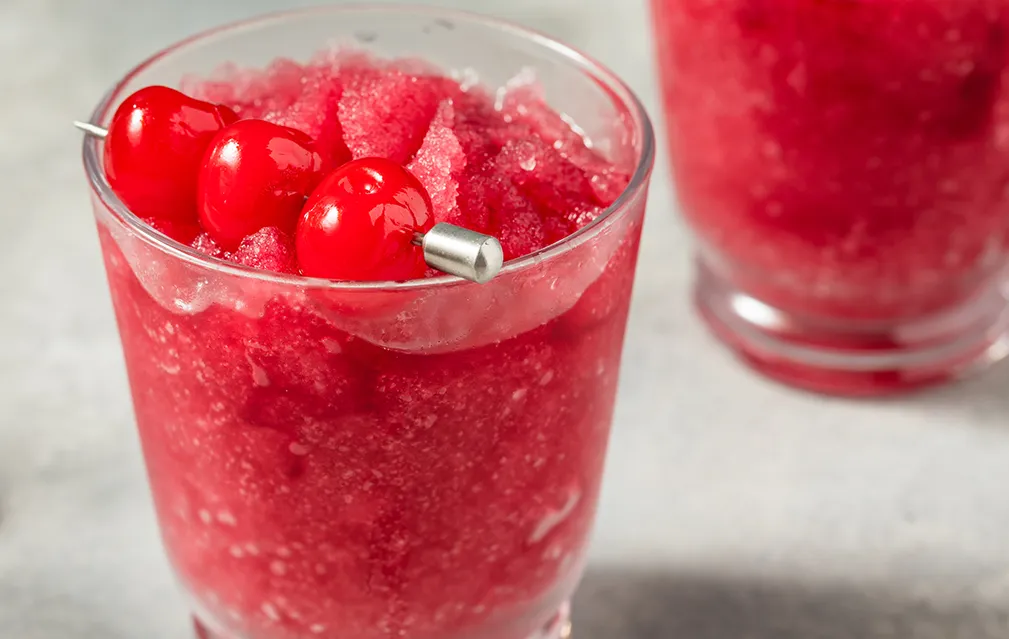
Snack companies pay serious attention to visual appearance during product development stages now. Customers usually notice color before flavor details even become important during purchases. That explains why popcorn-colored powder ingredients remain common across cinema snacks, packaged corn products, and flavored retail popcorn mixes everywhere lately. Manufacturers often test many sunglasses before finalizing packaged versions for further distribution. Some companies are naturally combining natural red food coloring with spice blends, as vegetable-mainly based generic coloring blends are attracting more interest from elementally conscious consumers today.
Different powder formats react differently during popcorn coating applications
The oil content, mixing temperature, and thickness of spices all affect the color distribution of the popcorn batches. Uneven coatings create a dull product appearance and negative shelf presentation for custom manufacturers. Has good dirty pop. Nook’s paint powder spreads about as trivially as a larger production volume and creates patches of visible shadows for some time. Many factories also prefer natural currant food colorants because they incorporate them into the dry seasoning system with minimal type changes, but manufacturing groups run more than a small test before choosing the exact coating mix for industrial manufacturing jobs.
Natural coloring ingredients need careful handling during storage periods
Temperature change in indoor storage facilities sometimes reduces overall pigment strength much faster than expected later. Moisture descriptions also affect powder texture, especially when facilities lack proper packaging control structures. Many suppliers today recommend hermetic garage conditions for popcorn color powder used in large-scale snack manufacturing environments. Some manufacturers use natural pink food coloring for vegetables or end results because they lead to purity-detail overlays in package advertising claims. Stability testing remains important before launching products into wider transportation and retail supply chains.
Snack manufacturers now focus more on ingredient transparency details
Ingredient labels became surprisingly important for younger customers buying packaged snack products regularly now. Many retailers even request cleaner formulations before approving new snack products for distribution agreements. Using natural red food color solutions can help companies reduce dependence on synthetic-looking additives in certain recipes. At the same time, however, popcorn coloring powder requires perfect compatibility with oils, flavor coatings, and seasoning blends throughout the production cycle. Snack food manufacturers in general spend careful time balancing desires with goal source constraints.
Production consistency matters more than unusually strong color intensity
Even a very vibrant garment can start to attract interest, but inconsistent institutions can create a remedy for later issues. Manufacturers usually take a seemingly stable distance from a few production runs through a range of dramatic shade releases within the packaging. Proper mixing equipment also improves how the popcorn coloring powder distributes among the finished popcorn products in the seasoning grades. Several factories now experiment with natural red food color alternatives because consumer preferences continue shifting toward simpler ingredient categories overall. Technical testing still matters heavily before introducing new color systems into existing manufacturing environments commercially.
Conclusion
Color choices continue shaping customer reactions across snack aisles, cinema counters, and packaged food displays globally. foodrgb.com provides ingredient information and product support for manufacturers exploring modern coloring solutions without relying entirely on older synthetic systems anymore. Businesses using popcorn-colored powder ingredients often review stability, blending performance, and coating consistency before scaling production volumes commercially. Natural red food color options also remain increasingly relevant for brands wanting cleaner ingredient positioning across competitive snack markets today. Review supplier specifications carefully, perform production testing thoroughly, and consult experienced food ingredient professionals before launching final commercial batches.


